Growth Garden - UNIHACK 1ˢᵗ Place
Mar 2025
How do you want to grow? An interactive planting experience that helps you build habits.
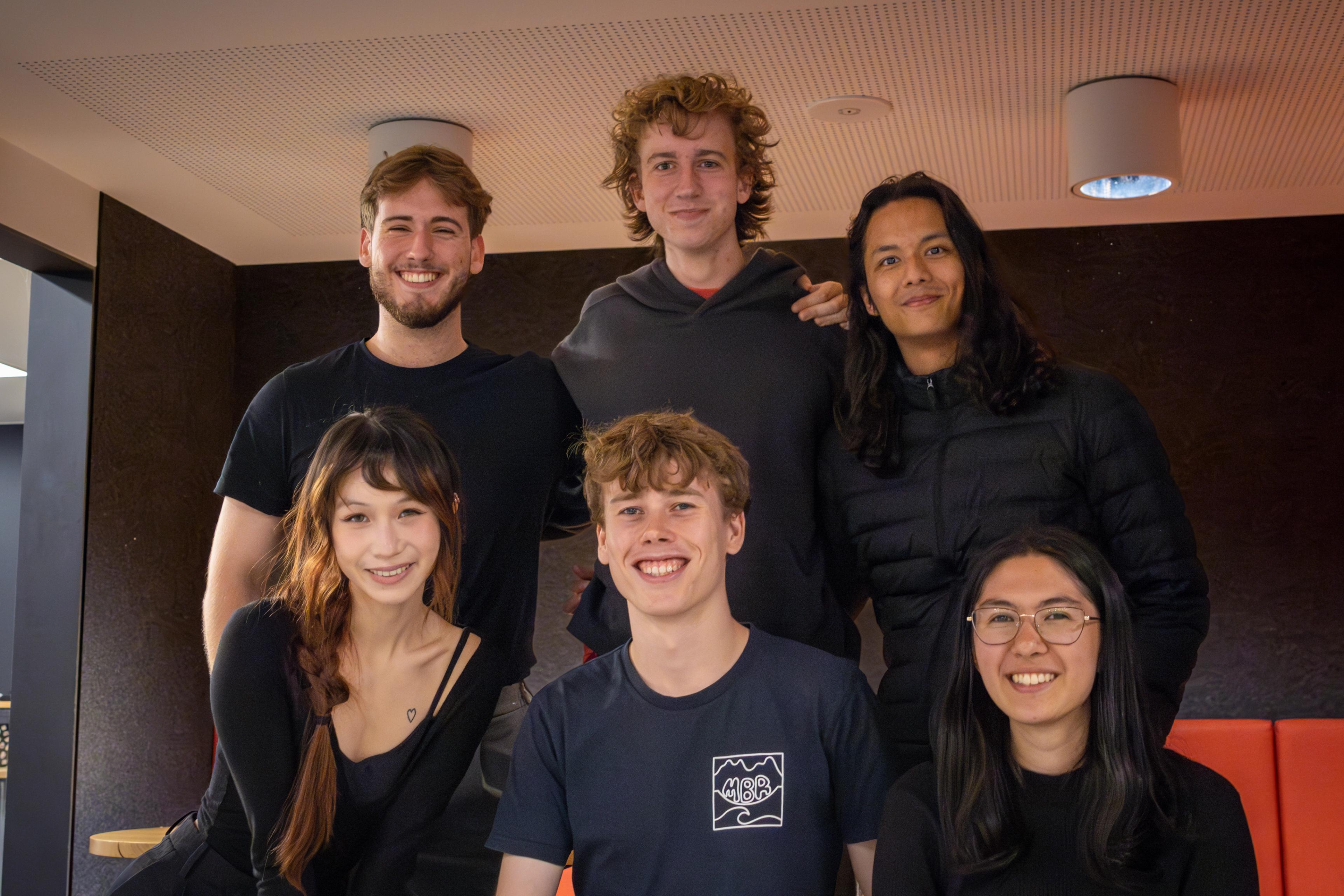
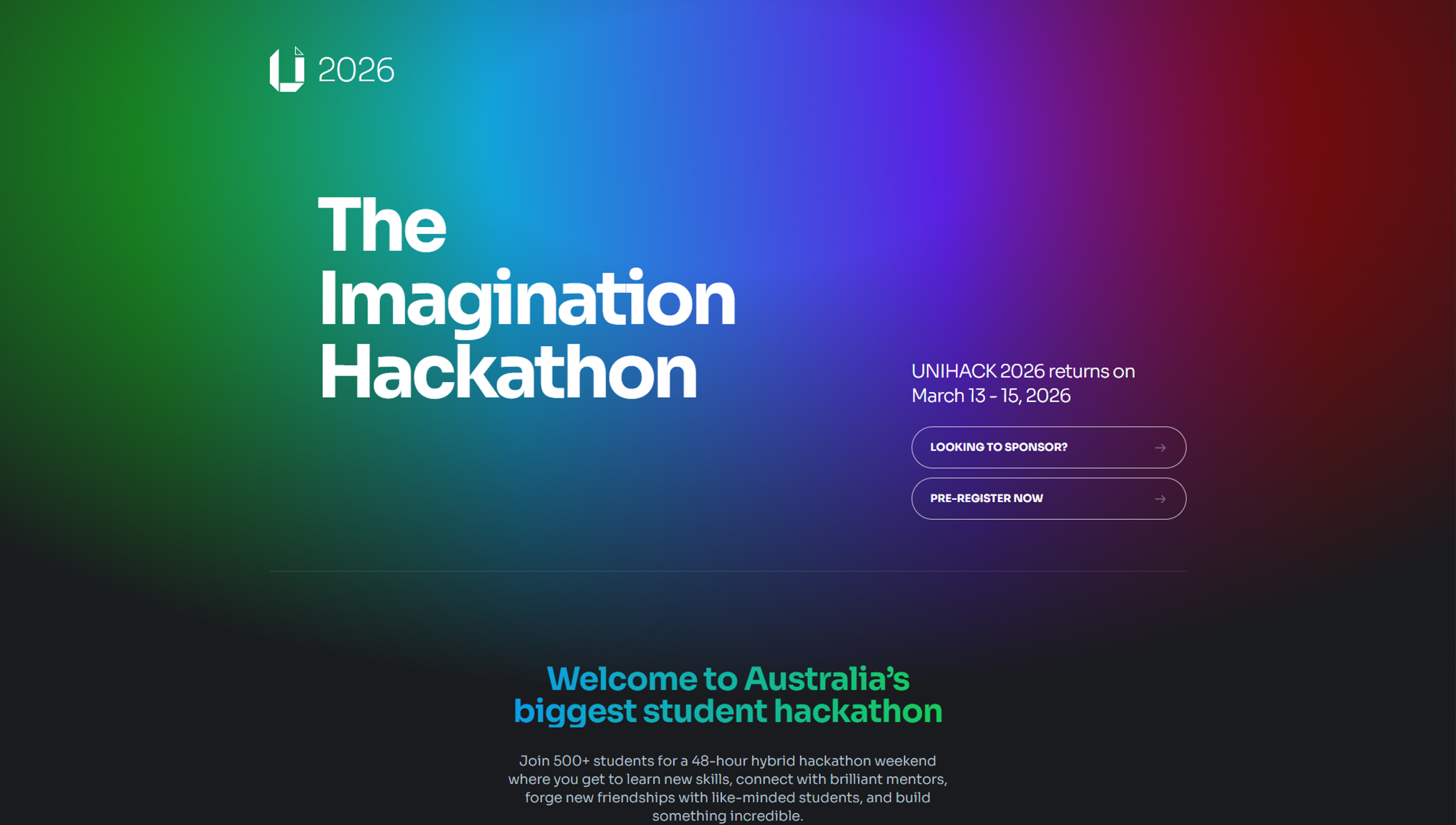
UNIHACK, the imagination hackathon is Australia's largest student hackathon where over 750 entrants are invited to build whatever they like. The Neural Cellular Automata team at Monash DeepNeuron, pitched Growth Garden as our entry into UNIHACK 2025. Out of hundreds of submissions from across Australia & New Zealand, Growth Garden took home 1ˢᵗ Place, winning the competition.
What is Growth Garden?
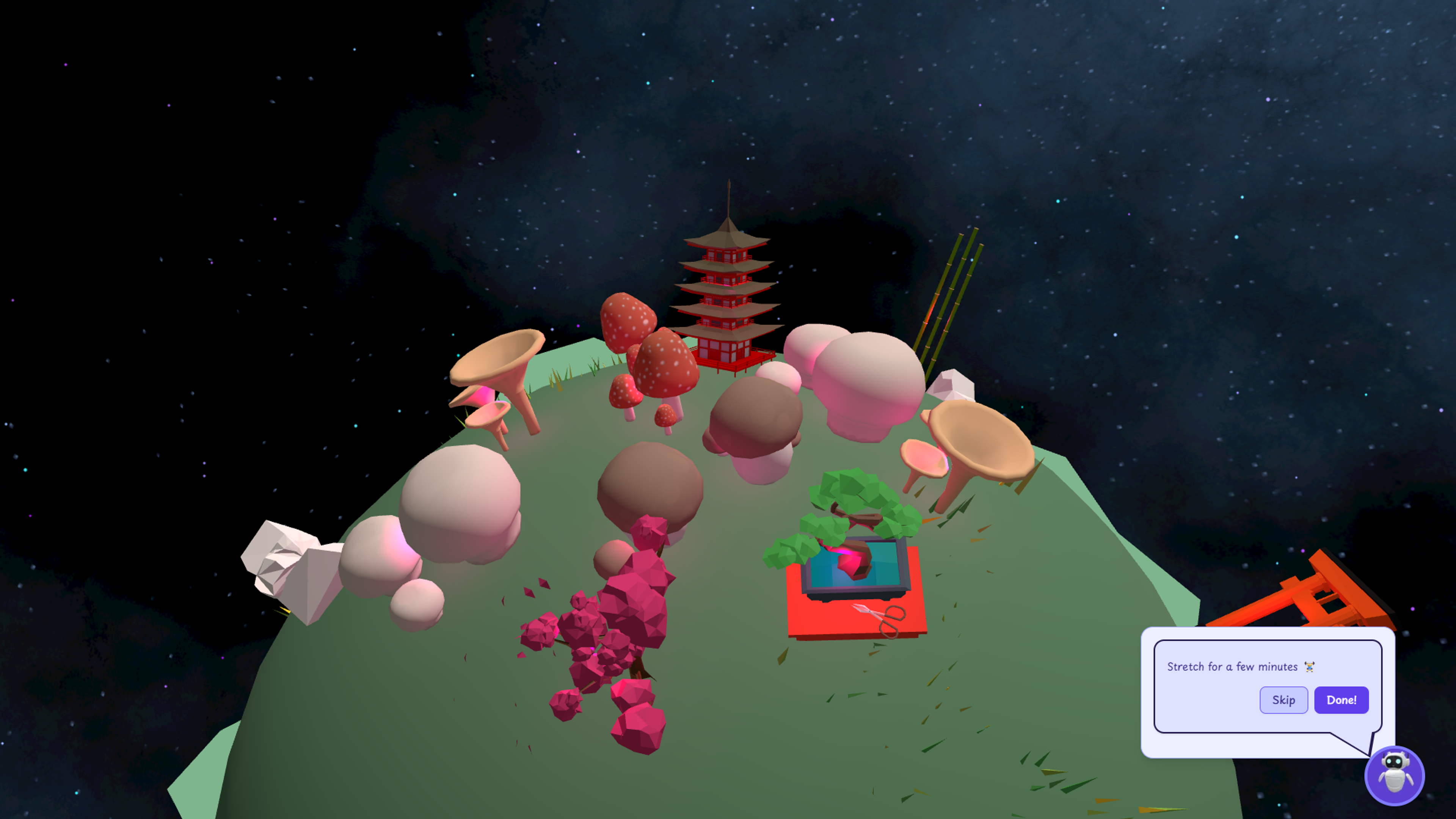
Growth Garden is an interactive habit-building experience designed to turn personal goals into growth-driving routines. Growth Garden puts you in control of your life, asking first what you want to accomplish, then providing small, AI driven, actionable tasks to get you there. Using the same tactics as more nefarious applications, Growth Garden attempts harness gamification to drive progress. Each task you complete, gives you a plant that you can place on your own little planet, allowing you to decorate your space as you build the habits you want to form.
Winning a Hackathon
Winning a hackathon isn't about what you build, but how you sell it. The reality is, no customer cares about what technologies you used, whether you have the most advanced new LLM integrations or how fast your automated CI/CD pipelines deploy to production. They care about how the product can affect positive change in their life. For better or worse, judges are not all that different. With hundreds of submissions, they don't have the time to dig into your code and admire for your formatting or nice linting. Instead, judges often take your pitch at face value, play around with your demo only once you've caught their attention and check the source code to verify you really made it. As such a winning entry should prioritise those elements, in that order:
- Pitch
- Demo
- Code
A strong pitch makes or breaks a submission. As such, it should be planned alongside the actual project to make sure that it can be sold well to whatever theme or topic the hackathon has. Ultimately, the preparing for or recording the pitch can easily take up a quarter of all the available time in a winning submission. The next part is the demo. It needs to be engaging, showcase your idea and look polished. What it doesn't need to be is complete. For the most part the demo should do a small set of core functionality well, visually present wants planned for the future but it isn't necessary to make everything completely functional.
